Why a Service Only a Few People Search For Still Deserves a Page
Keyword tools say almost nobody searches for your specialized program. The few who do are often ready to book. Here's how to build pages that reach them.
 Natalie HenleyFounder, Digital Practice Growth
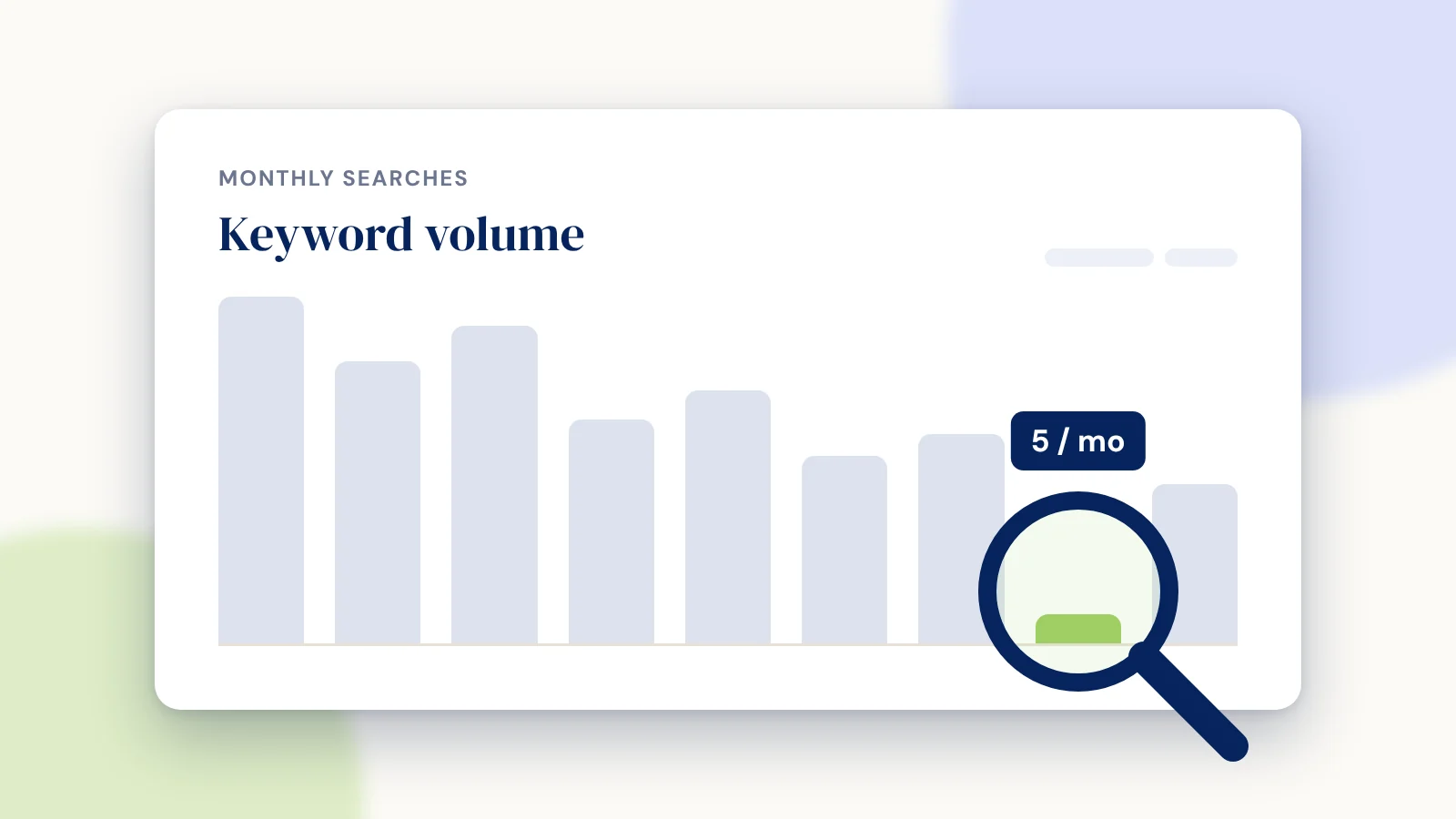
A practice owner told us about a specialized program her team offers. Hardly anyone searches for it by name. Keyword tools showed a number so small it barely registered. Her take stuck with me: even if only five people a month are looking for it, she wants those five people to know her practice is an option.
I think she’s right, and not just because she likes offering it.
Small numbers, serious intent
When someone searches for a named program, a specific type of evaluation or a narrow treatment model, they’re usually near the end of their research. They’ve read articles, asked friends, and maybe been told by a doctor or a teacher what to look for. They aren’t browsing. They’re trying to find who offers it.
Compare that with “therapist near me,” which brings in plenty of traffic from people who are still figuring out what they need. Both matter. But a handful of searches from people who already know what they want can turn into more booked intakes than a lot of general traffic.
Keyword tools also undercount small terms. They group similar searches together, round low numbers down, and miss the way real people phrase things. “Zero” in a keyword tool rarely means nobody is searching.
People find the name of the service last
Here’s what we hear again and again when we interview clinicians about a specialized service. Families don’t start by searching the service. They start by searching the problem.
A parent types “my son can’t remember instructions” or “trouble focusing on homework.” Weeks later, after an evaluation or a conversation with a pediatrician, they learn there’s a specific program for it, and only then do they search it by name. (I wrote more about that language gap in Clinicians Name the Treatment. Parents Search the Problem.)
So one page usually isn’t enough. You need two kinds:
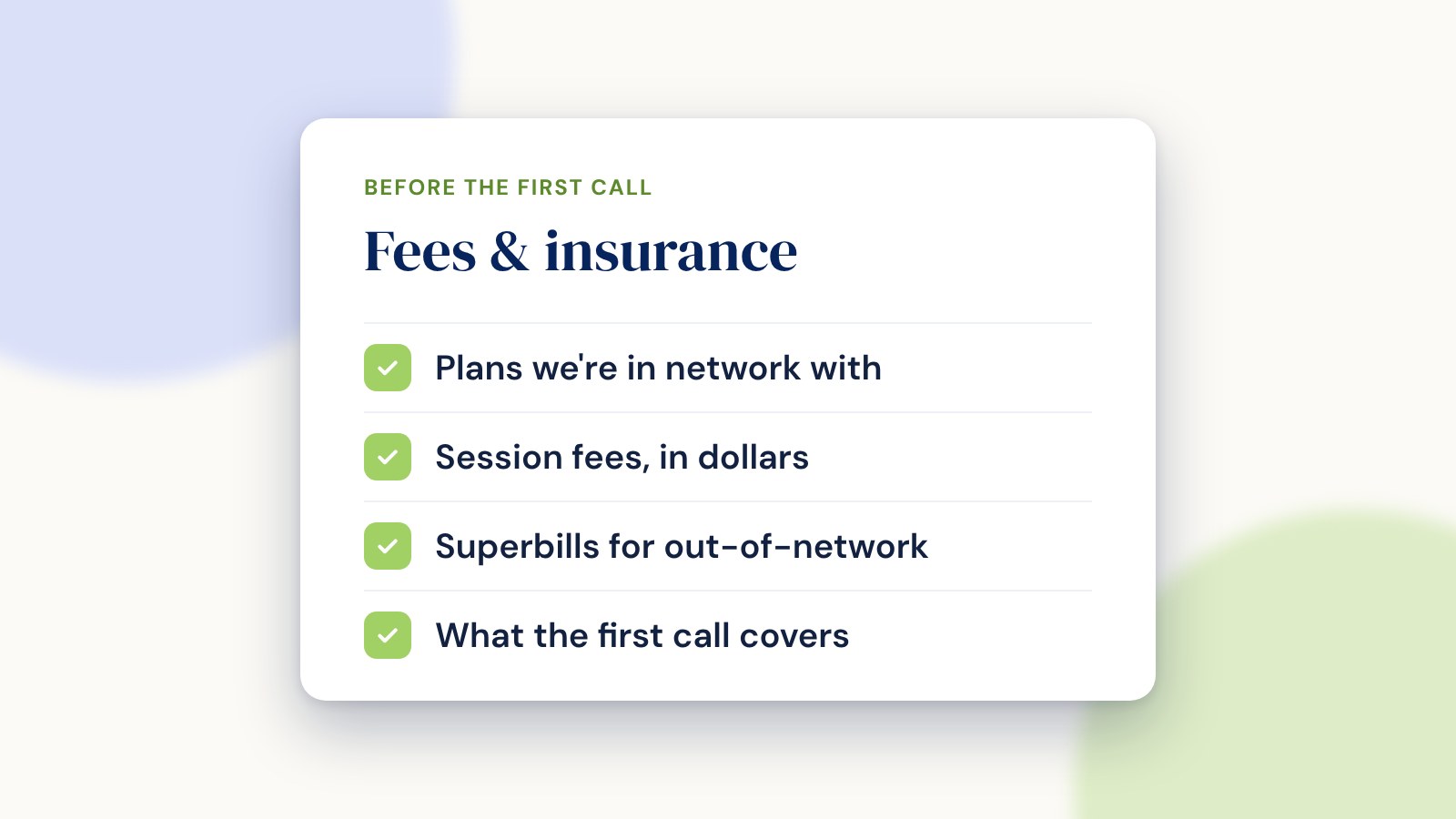
- A service page for the named program. Who it’s for, what it involves, how long it takes, how it fits with your other services (for example, whether it usually follows an evaluation), who on your team provides it, and how to get started.
- Problem-first content that meets families earlier. A blog post or guide that answers the question they’re asking before they know the name, then links to the service page.
Get the content from the clinician, not the brochure
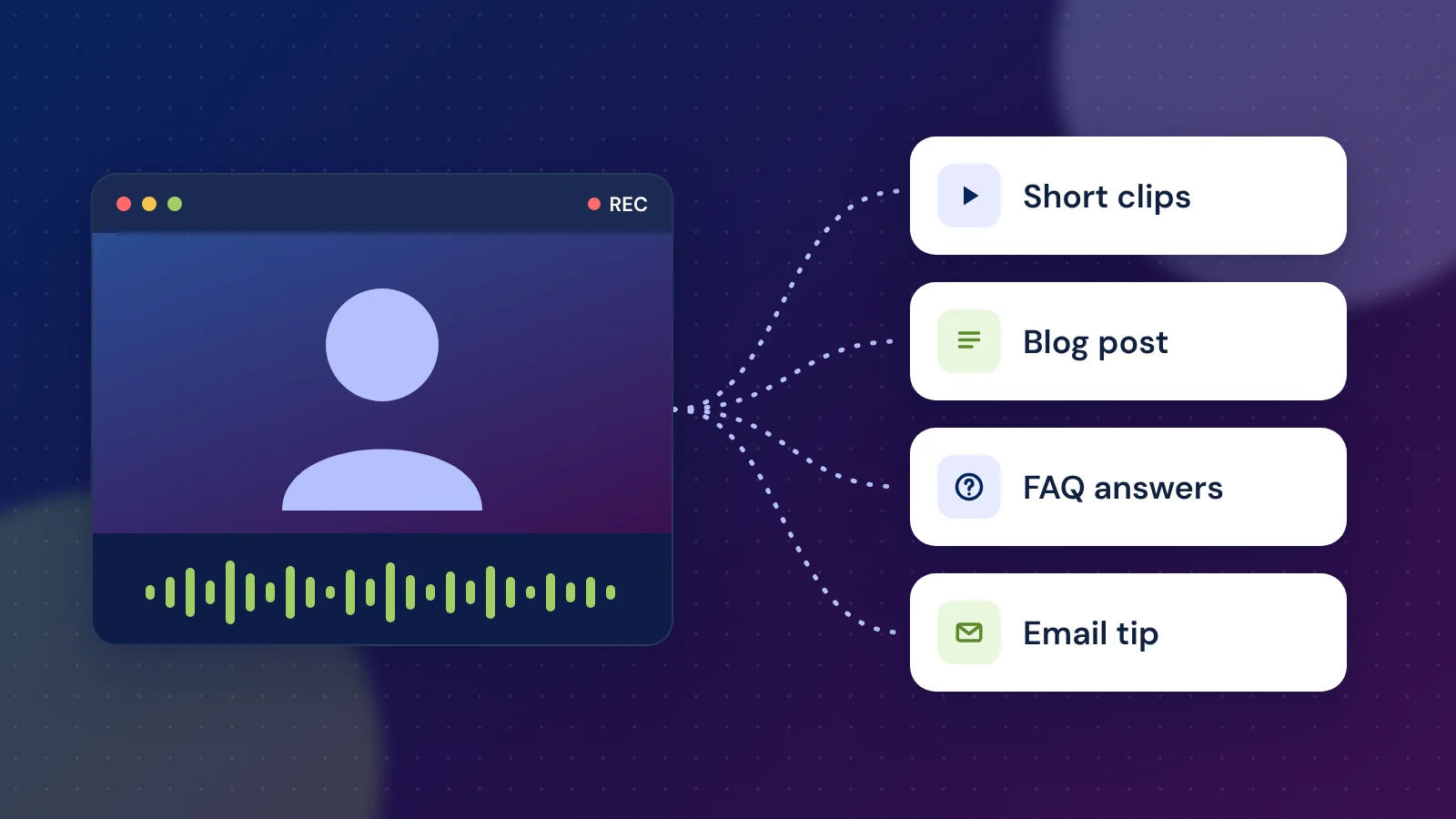
The program’s own marketing materials will tell you what everyone else’s page says. Your clinician will tell you what actually happens in your office. We interview them and ask questions like:
- What are people struggling with before they find out this service exists?
- What do they usually search or ask first?
- Who is a good fit, and who isn’t?
- What have families usually tried before they get to you?
- What do people misunderstand about it?
The “who isn’t a good fit” answer is often the most useful thing on the page. Honest fit language builds trust with the right families and saves your intake team calls from the wrong ones.
Make it easy for search engines and AI tools to connect the dots
More people now ask AI assistants questions like “who offers this near me?” Those tools pull from pages that say plainly what you offer, where, and for whom. A few things help:
- Name the service the same way everywhere: the service page, the provider’s bio, your location page and your Google Business Profile services list.
- Keep your practice name, address and phone number identical across directories and listings.
- Link the problem-first posts, the service page and the provider bio to each other.
Citation building is a good example of steady, unglamorous work. It’s hard to say it’s the one thing that makes the biggest difference. But every time we do it, we see at least some positive impact, and it takes very little of anyone’s time once it’s set up.
When it’s not worth it
Be honest with yourself here. If you offer something rarely, or don’t actually want more of it, skip the page and put the effort where you want growth. The question isn’t “how many people search for this?” It’s “do we want more of this work, and would the right families know to find us?”
If the answer is yes, a page for five searches a month is one of the better investments you can make. And if you’re not sure which of your services are hiding in plain sight, the $499 Checkup is a good place to find out.