One Clinician Interview, a Month of Content, Zero Client Stories
Therapy practices can't share results or most testimonials. Here's how we turn one recorded clinician interview into videos, posts and FAQs without a single client detail.
 Natalie HenleyFounder, Digital Practice Growth
Mental health practices have a content problem most businesses don’t. You can’t post client results. Most professional ethics codes restrict testimonials from current clients, and for good reason. And the internet already has thousands of posts called “5 Signs It’s Time for Therapy,” most of them written by AI and none of them telling a reader anything new.
So where does trust come from? In our experience, from your clinicians. People want to know who they’ll be sitting across from, how that person thinks and whether they’ll feel comfortable. The fastest way to show that is to let your clinicians talk.
Why we interview instead of asking clinicians to write
Clinicians are busy, and most of them didn’t get into this work to write marketing copy. Ask for a blog post and it sits on someone’s to-do list for months. Ask the same person to talk about their work for 45 minutes and they’ll give you more usable material than you can publish in a month.
Here’s how we run it:
- We record in a tool built for editing. We use Riverside rather than a regular video call because it records locally in higher quality and makes cutting clips much easier afterward.
- We stay off camera. Someone from our team asks the questions so it feels like a conversation, not a performance. We’re never in the final clips.
- Retakes are always fine. Any answer can be redone. Knowing that takes a lot of pressure off.
The rules we follow every time
No client stories. Not even anonymized ones. No session anecdotes, no “I once had a client who…” Talk about patterns, not people. A clinician can say what parents often worry about without describing anyone in particular.
Ask what they don’t want to be known for. Some specialties bring consent or legal complications a clinician would rather not invite more of. We ask up front, before anything gets recorded, so we never build content around work they’re trying to do less of.
Keep answers short. A story that feels short in person is often too long on video. Online audiences have less patience, so we aim for answers people can watch in a minute or two.
Keep their words. When we turn a transcript into a post, we err on the side of writing it the way they said it instead of rewriting it into polished AI-sounding copy. Their phrasing is what makes the piece sound like a real person.
Byline the clinician, and let them approve it. The expertise is theirs, so the post carries their name, credentials and photo. Readers notice, and so do search engines and AI tools trying to work out who’s qualified to answer a question. Nothing goes live until the clinician signs off.
What one interview turns into
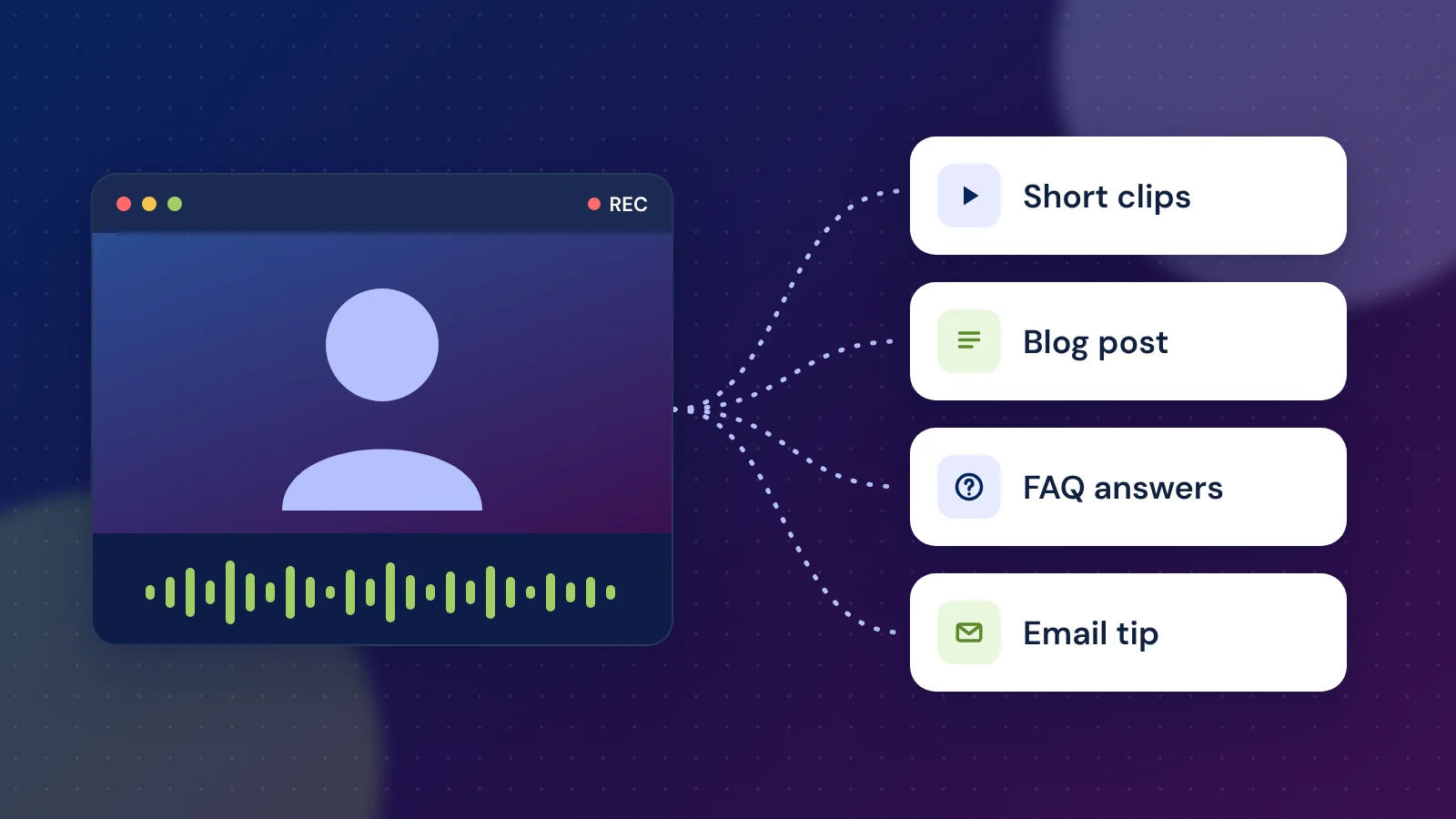
From a single recording, we can usually build:
- A short bio video for the clinician’s page, so people can see and hear them before booking
- Several short clips for social media and YouTube
- One or two blog posts drawn from the transcript
- FAQ answers for the related service page
- A note or tip for your email list
None of it requires the clinician to write a word.
Our test for every post: is it a net add to the internet?
Before we publish, we ask one question. Does this say something that isn’t already on the first page of Google? If a reader could get the same thing from any other practice’s site or a chatbot, the post isn’t done.
What makes the difference is the specific stuff only your clinician knows: the way they explain a concept to a nervous parent, the misconception they correct every week, the question they always ask in a first session, the small practical tip people actually use at home. That’s the material no one else can copy, and it’s exactly what comes out of a good interview.
How to start
Pick one clinician and one service you’d like more of. Block 45 minutes. Then ask questions like these:
- What do people usually come to you worried about?
- What do they wish they’d known sooner?
- What do people misunderstand about this kind of care?
- Who is a good fit for working with you, and who isn’t?
- What does a first session look like?
- What’s one thing a person could try this week before they ever call?
Record it, transcribe it, and you’ll have more to work with than you expect. If you’d like help turning it into a full month of content, connect with us and we’ll walk you through how we do it.